

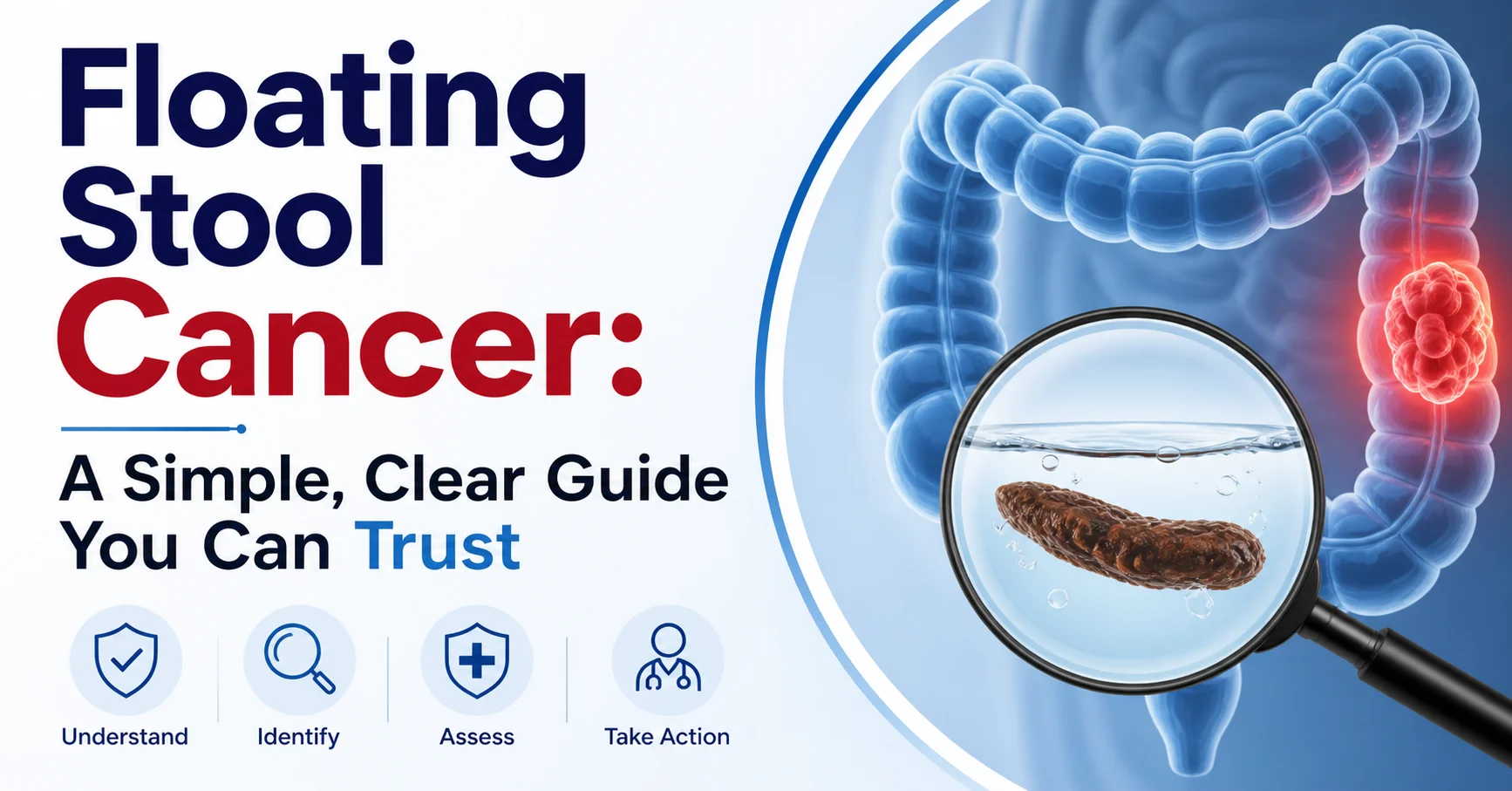
Introduction: Understanding Floating Stool Cancer
Many people notice changes in their stool at some point in life. One common change is when stool floats instead of sinking. This can feel confusing or even scary. Some people start worrying about serious illness like floating stool cancer. But in most cases, floating stool is not dangerous. It is often linked to diet or digestion issues.
Still, it is important to understand your body. In rare cases, floating stool cancer may be connected to conditions like problems in the pancreas or fat absorption. This does not mean every floating stool is a warning sign. It simply means we should learn the difference between harmless causes and serious ones.
In this guide, we will explain everything in simple words. You will learn what floating stools mean, when to worry, and how floating stool cancer is connected to other symptoms. The goal is to help you stay informed, calm, and confident about your health.
What Are Floating Stools?
Floating stools are bowel movements that stay on the surface of water instead of sinking. This usually happens when there is extra gas or fat in the stool. Many people experience this at least once in their life.
In most situations, floating stool cancer is NOT the cause. Instead, diet changes like eating beans, fatty foods, or carbonated drinks are more common reasons. Sometimes, your body simply produces more gas during digestion.
However, if floating stools happen often, it is good to pay attention. In rare cases, long-term changes in digestion may be linked to issues in the pancreas or intestines. This is where the concern about floating stool cancer begins. But again, this is not common.
Understanding your normal bowel pattern is the first step in knowing when something is different or needs attention.
Common Harmless Causes of Floating Stools
Most floating stools are harmless. They are usually caused by what you eat or how your body digests food. Foods that are high in fiber, fat, or sugar can cause extra gas in the stool. This makes it lighter, so it floats.
Another common reason is temporary digestion changes. For example, after eating fast food or dairy, your gut may react differently. This is not related to floating stool cancer in any way.
Stress and gut bacteria changes can also affect digestion. Even simple stomach infections may cause floating stools for a short time.
Here is a simple comparison table:
| Harmless Causes | Explanation |
|---|---|
| High-fiber foods | Creates more gas |
| Fatty meals | Slower digestion |
| Carbonated drinks | Adds gas to stool |
| Temporary infection | Short-term change |
In most cases, these causes do not lead to floating stool cancer. They usually go away on their own.
When Floating Stool Cancer Becomes a Concern
Although rare, doctors sometimes check for serious causes when floating stools continue for a long time. This is where the term floating stool cancer may come up in medical discussions.
If the pancreas is not working properly, it may not digest fat correctly. This can lead to oily, floating stools. In rare cases, pancreatic issues may be linked with cancer. But again, this is not common.
Doctors usually become concerned when floating stools happen along with weight loss, pain, or yellow skin. One symptom alone is not enough to suggest floating stool cancer.
It is important not to panic. Most people with floating stools do NOT have cancer. But if symptoms continue for weeks, medical advice is important for safety.
Floating Stools and Pancreatic Cancer Connection
One of the most discussed links is between digestion problems and the pancreas. The pancreas helps break down food, especially fats. When it is not working well, stool may float.
This is why people often search for floating stools and cancer together. In rare cases, pancreatic problems can be serious. That is why doctors sometimes check for pancreatic cancer floating stool patterns.
However, floating stools alone are NOT a strong sign of cancer. They must come with other symptoms. Many non-cancer conditions can affect the pancreas too, like pancreatitis or enzyme deficiency.
So while there is a connection between digestion and floating stool cancer, it is very rare and should not cause fear without other signs.
Floating Stool Pancreatic Cancer Warning Signs
When people talk about floating stool pancreatic cancer, they usually mean a group of symptoms together, not just stool changes. Doctors look for patterns, not single signs.
Some warning signs may include:
- Ongoing floating or oily stools
- Unexplained weight loss
- Yellow skin or eyes
- Pain in upper abdomen or back
- Loss of appetite
If these symptoms appear together, a doctor may investigate further. But even then, floating stool cancer is not confirmed without proper medical tests.
Many digestive conditions can look similar. That is why self-diagnosis is not safe. A medical expert is always needed for accurate answers.
Other Digestive Symptoms to Watch
Floating stools alone are usually not enough to suggest a serious problem. But when combined with other changes, they may need attention.
Some digestive symptoms include bloating, gas, diarrhea, or stomach discomfort. These are common and often harmless.
In rare situations, ongoing symptoms may raise concerns about floating stool cancer. However, most people with these symptoms do not have cancer.
It is important to notice changes in your body, but not to panic. A simple stomach issue can look serious at first but often improves with time or diet changes.
Keeping track of symptoms can help doctors understand your condition better if you ever need medical advice.
Diagnosis Tests Doctors Use
If a doctor suspects a serious issue behind floating stools, they may recommend tests. These help rule out or confirm problems.
Common tests include blood tests, stool analysis, and imaging scans like ultrasound or CT scans. These help check how the pancreas and digestive system are working.
Doctors do not diagnose floating stool cancer based on stool appearance alone. They always use medical evidence.
In many cases, test results show harmless causes like enzyme imbalance or diet issues. That is why testing is very important before worrying.
Early checkups can bring peace of mind and prevent unnecessary fear.
Treatment Options If Cancer Is Found
If, in rare cases, cancer is diagnosed, treatment depends on the stage and type. Options may include surgery, chemotherapy, or radiation therapy.
However, it is important to repeat that floating stool cancer is extremely rare. Most people with floating stools do not need cancer treatment at all.
Treatment for digestive issues without cancer may include enzyme supplements or diet changes. Many patients improve with simple care.
Doctors focus on treating the root cause, not just the symptom. That is why proper diagnosis is always the first step.
Simple Diet and Lifestyle Tips
Healthy digestion plays a big role in stool quality. Eating balanced meals can reduce floating stools in many cases.
Try to include fiber-rich foods, drink enough water, and avoid too much oily food. These small changes support gut health.
Regular exercise also improves digestion. Stress control is important too because stress can affect the stomach.
These habits do not directly prevent floating stool cancer, but they help maintain overall digestive health.
Here is a simple comparison table:
| Healthy Habit | Benefit |
|---|---|
| Drinking water | Better digestion |
| Fiber intake | Normal stool formation |
| Exercise | Improves gut movement |
| Less junk food | Reduces gas and bloating |
FAQs About Floating Stool Cancer
1. Is floating stool cancer always a sign of cancer?
No, floating stool cancer is not always related to cancer. Most cases are caused by diet or gas. Only rare cases involve serious illness.
2. What is the link between floating stools and cancer?
The link is very rare. Floating stools and cancer may appear together only when digestion is affected by serious pancreatic problems.
3. Can pancreatic cancer floating stool happen without other symptoms?
It is very unlikely. Pancreatic cancer floating stool usually appears with other signs like weight loss or pain.
4. Should I worry about floating stool pancreatic cancer?
Not usually. Floating stool pancreatic cancer is rare. Most floating stools are harmless and temporary.
5. When should I see a doctor?
If floating stools last more than two weeks or come with pain or weight loss, you should see a doctor.
6. Can diet alone cause floating stools?
Yes. Diet is the most common cause. Fatty foods and gas-producing foods often lead to floating stools.
Conclusion: Staying Calm and Informed
Understanding your body is important, but so is staying calm. Most cases of floating stools are harmless and related to diet or digestion changes. The idea of floating stool cancer can sound scary, but it is very rare.
When people search for floating stools and cancer, they often worry too quickly. In reality, serious causes like pancreatic issues are uncommon. Still, it is wise to pay attention to long-lasting changes in your body.
If you ever notice ongoing symptoms, a doctor can help you get clear answers. Do not rely on fear or assumptions. With the right information, you can make better health decisions.
In the end, floating stool cancer is not something most people need to worry about. Awareness, balanced diet, and medical advice when needed are the best steps for staying healthy.
