

Introduction
Have you ever felt a small lump just behind your ear and wondered what it could be? Many people notice this area only when something feels different. These small lumps are often posterior auricular lymph nodes, and they play an important role in your body’s defense system. Even though they are tiny, they can tell you a lot about your health.
In this guide, you will learn what posterior auricular lymph nodes are, why they sometimes swell, and when you should pay attention. We will keep things simple and easy to understand. No confusing medical terms. Just clear, helpful information you can trust.
By the end, you will feel more confident about what is normal and what may need a doctor’s advice.
What Are Posterior Auricular Lymph Nodes?
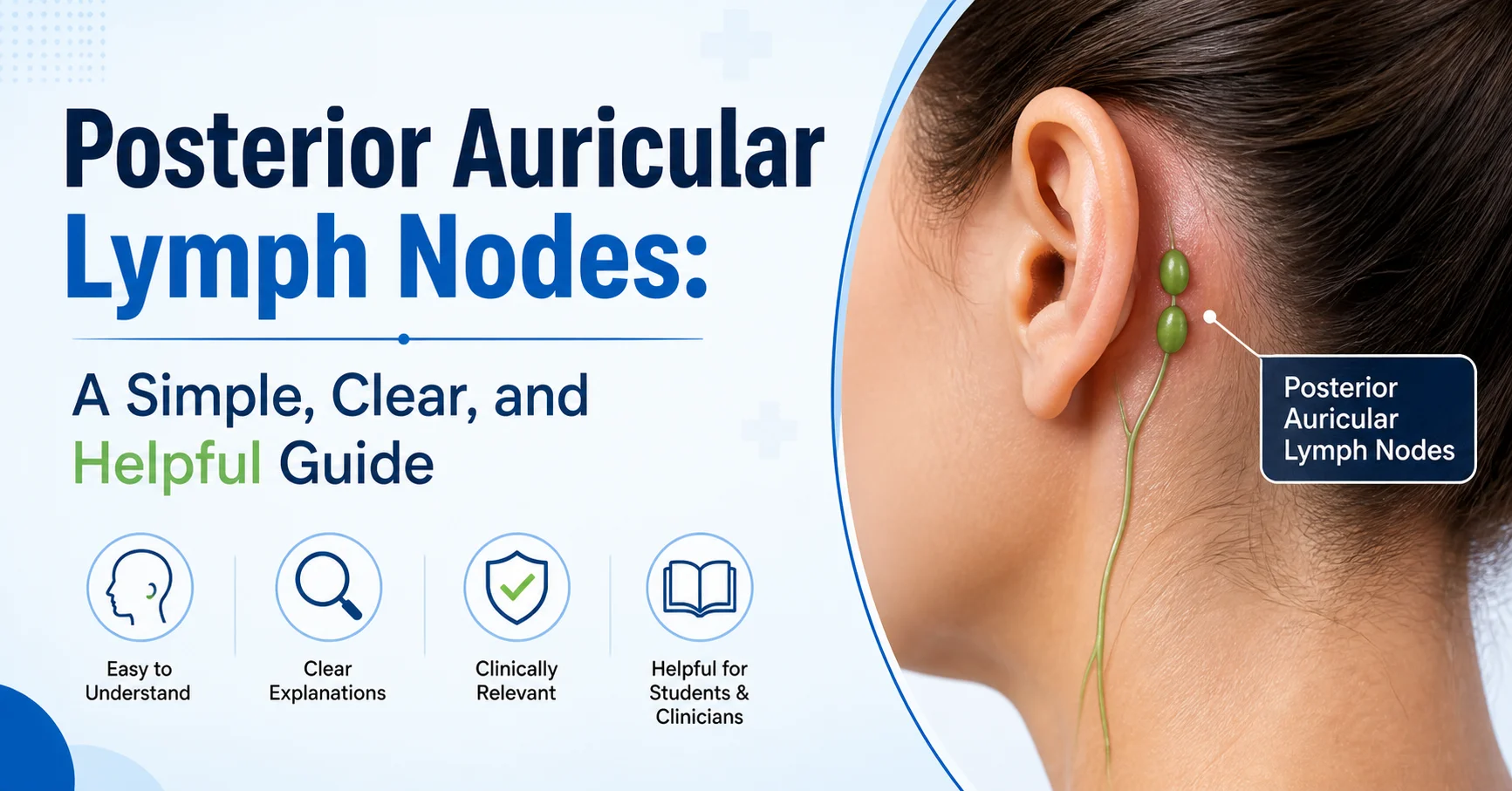
Posterior auricular lymph nodes are small, bean-shaped glands located just behind your ears. They are part of your lymphatic system, which helps fight infections and keeps your body healthy.
These nodes act like filters. They trap germs, bacteria, and viruses before they spread. When they detect a problem, they become active and may swell.
You usually cannot feel them when they are normal. They are soft and very small. But when they react to infection, they can grow larger and become noticeable.
Think of them like security guards. They stay quiet most of the time. But when danger appears, they take action quickly.
Where Exactly Are They Located?
Posterior auricular lymph nodes sit right behind your ear, near the bone called the mastoid. This is the hard area you can feel if you touch behind your ear.
They are close to:
- The scalp
- The outer ear
- Nearby skin
Because of this location, they react to infections in these areas. For example, a scalp infection or ear problem may cause swelling here.
Many people confuse them with pimples or cysts. But lymph nodes feel slightly different. They are usually deeper under the skin.
Why Do Posterior Auricular Lymph Nodes Swell?
Swelling happens when your body is fighting something. This is called posterior auricular lymph nodes enlarged condition.
The most common reason is infection. When germs enter your body, lymph nodes work harder. This makes them grow in size.
Common causes include:
- Ear infections
- Scalp infections
- Skin conditions
- Viral illnesses like colds
This swelling is often temporary. Once the infection clears, the nodes return to normal.
It is your body’s natural defense system in action.
Common Causes of Posterior Auricular Lymph Node Enlargement
Understanding the cause helps reduce worry. Here are the most common reasons behind posterior auricular lymph node enlargement:
| Cause | Description |
|---|---|
| Ear infections | Bacteria or viruses affect the ear |
| Scalp infections | Dandruff, fungus, or lice |
| Skin infections | Cuts, acne, or irritation |
| Viral illnesses | Cold, flu, or other viruses |
| Allergic reactions | Skin sensitivity or irritation |
In most cases, these causes are mild and treatable. The body heals, and the swelling goes away on its own.
What Do Enlarged Nodes Feel Like?
When posterior auricular lymph nodes are enlarged, they may feel:
- Soft or rubbery
- Slightly tender
- Movable under the skin
Sometimes, they may hurt when you touch them. This usually means your body is fighting an infection.
If the node is painless and hard, it may need further checking. But do not panic. Most cases are harmless.
A simple self-check can help you notice changes early.
When Should You Be Concerned?
Not every swollen node is serious. But some signs should not be ignored.
Watch for:
- Swelling lasting more than 2–3 weeks
- Very large size (bigger than a grape)
- Hard or fixed nodes
- No pain but growing size
- Fever or weight loss
If you notice these symptoms, it is best to see a doctor.
Early checking helps rule out serious problems and gives peace of mind.
How Are Posterior Auricular Lymph Nodes Checked?
Doctors usually start with a simple physical exam. They gently feel the area behind your ear.
They may ask:
- When did you first notice it?
- Is there pain?
- Any recent infections?
If needed, further tests may include:
- Blood tests
- Ultrasound
- Imaging scans
These tests help find the exact cause of posterior auricular lymph node enlargement.
Most of the time, no serious testing is needed.
Treatment Options for Swollen Lymph Nodes
Treatment depends on the cause. In many cases, no treatment is needed.
Here are common approaches:
| Condition | Treatment |
|---|---|
| Mild infection | Rest and fluids |
| Bacterial infection | Antibiotics |
| Skin issues | Creams or ointments |
| Viral illness | Supportive care |
Warm compresses can also help reduce discomfort.
The key is treating the root cause, not just the swelling.
Can You Prevent Lymph Node Swelling?
You cannot always prevent swelling, but you can reduce the risk.
Simple tips:
- Keep your scalp clean
- Treat cuts quickly
- Avoid scratching infections
- Maintain good hygiene
- Boost your immune system
Healthy habits support your body and reduce chances of infection.
Prevention is always easier than treatment.
Are Posterior Auricular Lymph Nodes Dangerous?
In most cases, no. Posterior auricular lymph nodes are not dangerous.
They are simply doing their job.
Swelling is often a sign your body is protecting you. It is a normal response.
However, long-term or unusual swelling should be checked.
It is better to stay informed than to ignore symptoms.
Real-Life Example for Better Understanding
A student once noticed a small lump behind his ear after a haircut. He felt worried at first. But after checking, he found it was due to a small scalp infection.
With simple treatment, the swelling went away in a few days.
This shows that not every lump is serious. Many are temporary and harmless.
Knowing what posterior auricular lymph nodes are can save you from unnecessary fear.
Posterior Auricular Lymph Nodes in Children
Children often get swollen lymph nodes more than adults.
Their immune systems are still developing. So they react quickly to infections.
Common triggers in kids:
- Ear infections
- Minor cuts
- Viral illnesses
In most cases, swelling goes away on its own.
Parents should only worry if symptoms last long or worsen.
FAQs
1. What are posterior auricular lymph nodes?
They are small glands behind the ear that help fight infections in nearby areas.
2. Why are my posterior auricular lymph nodes enlarged?
They usually swell due to infections like ear or scalp problems.
3. How long does swelling last?
Most swelling goes away within 1 to 2 weeks after the infection clears.
4. Are swollen lymph nodes painful?
They can be tender or slightly painful, especially during infection.
5. When should I see a doctor?
If swelling lasts more than 2–3 weeks or keeps growing, seek medical advice.
6. Can stress cause lymph node swelling?
Stress alone does not cause swelling, but it may weaken your immune system.
Conclusion
Posterior auricular lymph nodes may seem small, but they play a big role in your health. They help your body fight infections and keep you safe from harmful germs.
If you notice posterior auricular lymph nodes enlarged, do not panic. In most cases, it is a normal response to infection. Your body is simply doing its job.
However, always stay alert. If something feels unusual or lasts too long, get it checked. Early action is always better than waiting.
Understanding your body helps you stay in control of your health. And sometimes, even a small lump can teach you something important.
