

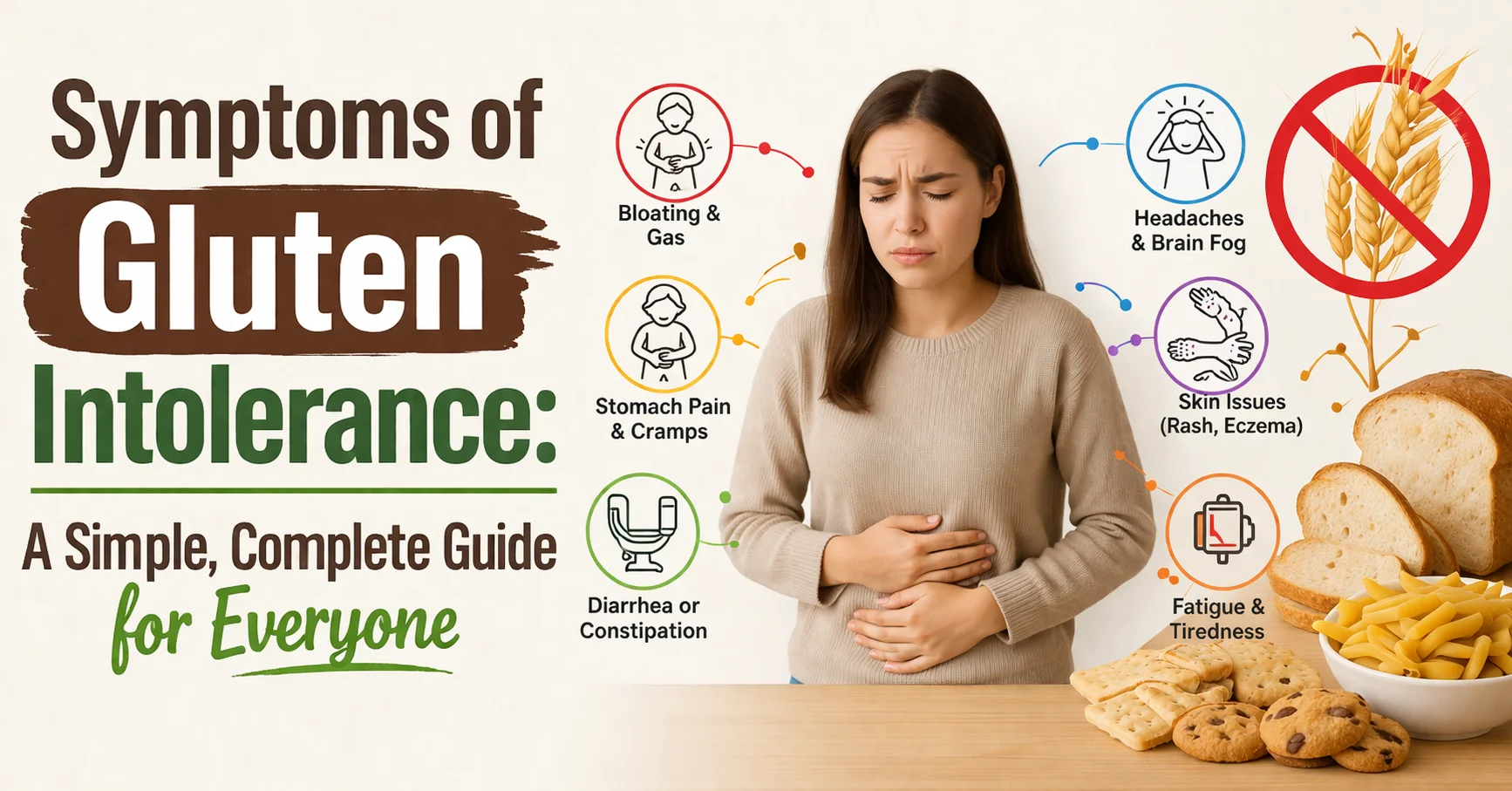
Gluten intolerance is more common than many people think. Yet, many people live with it for years without knowing. They feel tired, bloated, or unwell but cannot find the reason. If this sounds like you, this guide will help.
In this article, we will explore symptoms of gluten intolerance in a simple and easy way. You will learn what to look for, how it affects your body, and what steps to take next. Everything is explained in short, clear sentences so anyone can understand.
What Is Gluten Intolerance?
Gluten intolerance happens when your body cannot properly handle gluten. Gluten is a protein found in wheat, barley, and rye. It is in many everyday foods like bread, pasta, and biscuits.
When someone has gluten intolerance, their body reacts badly after eating gluten. This does not mean it is the same as celiac disease. It is different but still serious.
Many people ask, what are the symptoms of gluten intolerance? The answer is not always simple. Symptoms can be different for each person. Some feel stomach pain. Others feel tired or anxious.
This is why gluten intolerance can be confusing. It does not show up the same way in everyone.
Why Gluten Intolerance Is Often Missed
One big problem is that the signs and symptoms of gluten intolerance look like other health issues. People may think they just have gas, stress, or poor sleep.
Doctors may also miss it at first. This is because symptoms can come and go. Some people feel fine one day and sick the next.
Another reason is that gluten is in many foods. People eat it daily without thinking. So, they never connect their symptoms to gluten.
Understanding the symptoms of gluten intolerance can help you notice patterns. Once you see the link, things become clearer.
Common Digestive Symptoms
Digestive issues are the most common signs. Many people first notice problems in their stomach.
Here are some common digestive symptoms:
| Symptom | Description |
|---|---|
| Bloating | Feeling full or swollen after eating |
| Gas | Frequent passing of gas |
| Diarrhea | Loose or watery stools |
| Constipation | Trouble passing stool |
| Stomach pain | Cramping or discomfort |
These symptoms often appear after eating gluten foods. But not always right away.
If you often feel uncomfortable after meals, it may be one of the signs of gluten intolerance symptoms you should not ignore.
Non-Digestive Symptoms You Should Know
Gluten intolerance does not only affect the stomach. It can impact the whole body.
Here are some non-digestive symptoms:
| Symptom | How It Feels |
|---|---|
| Fatigue | Feeling tired all day |
| Headaches | Frequent or severe pain |
| Brain fog | Trouble thinking clearly |
| Joint pain | Aching in knees or hands |
| Mood changes | Anxiety or sadness |
Many people do not connect these to food. But they are important clues.
If you wonder, what are symptoms of gluten intolerance, these signs matter just as much as stomach issues.
Skin Problems Linked to Gluten
Your skin can also show warning signs. Some people develop rashes or itching.
Common skin issues include:
| Skin Issue | Description |
|---|---|
| Rashes | Red or itchy patches |
| Dry skin | Rough and flaky areas |
| Acne | Breakouts that do not improve |
| Itching | Constant urge to scratch |
These symptoms may get better when gluten is removed from the diet.
So, skin problems can be part of the symptoms of gluten intolerance.
How Gluten Intolerance Affects Mental Health
Many people feel changes in mood without knowing why. Gluten may play a role.
Some mental symptoms include:
| Mental Symptom | Impact |
|---|---|
| Anxiety | Feeling nervous or uneasy |
| Depression | Low mood or sadness |
| Irritability | Getting angry quickly |
| Brain fog | Slow thinking |
These issues can affect school, work, and daily life.
If you often feel this way, you may ask, what are the symptoms of gluten intolerance beyond the stomach? Mental health is a big part of the answer.
Signs in Children and Teens
Gluten intolerance can affect young people too. But symptoms may look different.
Common signs in children:
| Symptom | Description |
|---|---|
| Slow growth | Not gaining height or weight |
| Tiredness | Low energy levels |
| Stomach pain | Frequent complaints |
| Behavior changes | Mood swings or irritability |
Parents may think it is normal behavior. But it can be linked to food.
Knowing the signs and symptoms of gluten intolerance early can help children feel better sooner.
When Symptoms Appear After Eating Gluten
Symptoms do not always show right away. This makes it tricky.
Some people feel sick within hours. Others feel symptoms the next day.
Here is a simple timeline:
| Time After Eating | Possible Symptoms |
|---|---|
| 1–2 hours | Bloating, gas |
| 6–12 hours | Fatigue, headache |
| Next day | Brain fog, joint pain |
This delay makes it harder to notice patterns.
Keeping a food diary can help track the symptoms of gluten intolerance.
How Gluten Intolerance Is Different from Celiac Disease
Many people confuse gluten intolerance with celiac disease. They are not the same.
Here is a simple comparison:
| Feature | Gluten Intolerance | Celiac Disease |
|---|---|---|
| Immune response | Mild | Severe |
| Damage to intestines | No | Yes |
| Symptoms | Vary | Often strong |
| Testing | Harder to confirm | Blood tests available |
Even though gluten intolerance is less severe, it still affects quality of life.
So, understanding the signs of gluten intolerance symptoms is important.
Foods That May Trigger Symptoms
Gluten is found in many common foods. You may eat it daily without knowing.
Here are some examples:
| Food Type | Examples |
|---|---|
| Grains | Wheat, barley, rye |
| Baked goods | Bread, cakes |
| Pasta | Spaghetti, noodles |
| Snacks | Biscuits, crackers |
| Processed foods | Sauces, soups |
Reading labels can help you avoid gluten.
If symptoms improve after removing these foods, it may confirm the symptoms of gluten intolerance.
How to Test for Gluten Intolerance
There is no single perfect test. But you can try simple steps.
One common method is an elimination diet. You stop eating gluten for a few weeks. Then you add it back.
If symptoms return, it may be gluten intolerance.
Doctors may also run tests to rule out other conditions.
If you keep asking, what are the symptoms of gluten intolerance, testing is the next step to confirm your guess.
When to See a Doctor
Do not ignore ongoing symptoms. It is always best to get medical advice.
You should see a doctor if:
- Symptoms last for weeks
- Pain becomes severe
- You lose weight without trying
- Daily life is affected
A doctor can guide you safely.
Understanding the signs and symptoms of gluten intolerance helps you explain your condition clearly.
Simple Tips to Manage Gluten Intolerance
Living without gluten can feel hard at first. But it gets easier with time.
Here are some helpful tips:
| Tip | Benefit |
|---|---|
| Read labels | Avoid hidden gluten |
| Cook at home | Control ingredients |
| Choose whole foods | Safer options |
| Plan meals | Reduce stress |
| Stay informed | Make better choices |
These steps can reduce the symptoms of gluten intolerance and improve your life.
FAQs About Gluten Intolerance
1. What are the symptoms of gluten intolerance?
They include bloating, fatigue, headaches, and brain fog. Symptoms vary by person.
2. What are symptoms of gluten intolerance in mild cases?
Mild cases may include slight bloating, tiredness, or occasional stomach pain.
3. Can gluten intolerance go away?
It usually does not go away. But symptoms can be managed by avoiding gluten.
4. How quickly do symptoms appear?
They can appear within hours or even the next day after eating gluten.
5. Are skin problems part of gluten intolerance?
Yes, rashes and itching can be part of the signs of gluten intolerance symptoms.
6. Is gluten intolerance dangerous?
It is not life-threatening but can affect daily life and health if ignored.
Final Thoughts
Understanding the symptoms of gluten intolerance can change your life. Many people suffer for years without answers. But once they identify gluten as the cause, everything becomes clearer.
Listen to your body. Notice patterns. Small changes can make a big difference.
If you think gluten may be affecting you, take action today. Try simple steps, track your symptoms, and speak to a doctor if needed.
Your health matters. And sometimes, the answer is simpler than you think.
