

Introduction
Pneumonia is a lung infection that can feel scary, but understanding it makes it easier to handle. Many people search for pneumonia symptoms when they start feeling sick, especially with cough, fever, or breathing trouble. The truth is, early signs can be mild or strong, depending on age and health. Some people recover quickly, while others may need hospital care.
In this guide, we will break everything down in very simple language. You will learn how pneumonia symptoms start, how they look in adults and children, and how they differ from mild infections. We will also talk about walking pneumonia, Legionnaires’ disease, and early warning signs you should never ignore. This article is written to help real people understand health without confusion or medical jargon.
Let’s explore everything step by step in a clear and friendly way.
What Is Pneumonia in Simple Words?
Pneumonia is an infection in the lungs that makes breathing hard. It causes the air sacs in the lungs to fill with fluid or pus. This leads to coughing, fever, and chest pain. Many people first notice unusual pneumonia symptoms like tiredness or a deep cough that does not go away.
This illness can be caused by bacteria, viruses, or fungi. It can affect anyone, but older adults and young children are more at risk. In simple terms, the lungs struggle to get enough air because they are inflamed. That is why breathing feels heavy or painful.
Understanding pneumonia symptoms early can help you get treatment faster. Some cases are mild, but others can become serious if ignored.
Common Pneumonia Symptoms Overview
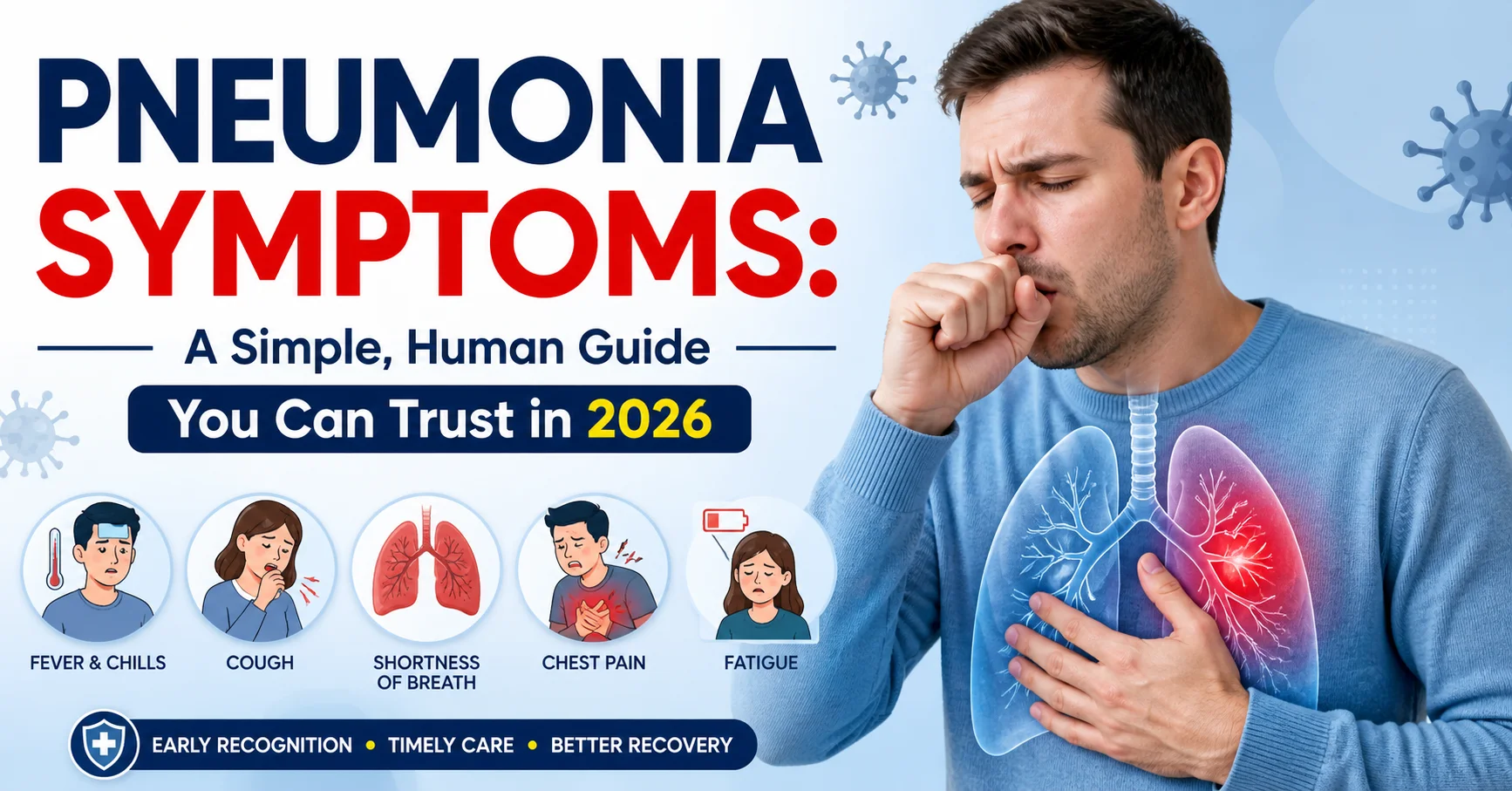
The most common pneumonia symptoms include cough, fever, chills, and shortness of breath. Some people also feel chest pain when they breathe deeply. Fatigue is another big sign that the body is fighting infection.
In many cases, pneumonia symptoms start like a cold or flu, which makes it confusing. People may think it is just a simple infection at first. However, symptoms usually become stronger over time instead of improving.
Another key sign is mucus production. The cough may bring up yellow, green, or even blood-stained mucus. This is a strong signal that the lungs are infected. If breathing becomes difficult, medical help should be taken immediately.
Recognizing pneumonia symptoms early is very important for quick recovery.
Symptoms of Pneumonia in Adults
In adults, pneumonia symptoms in adults can vary from mild to severe. Some adults only feel tired and have a mild cough, while others struggle to breathe. Fever and chills are very common and often come suddenly.
Chest pain is another strong sign. It usually gets worse when coughing or breathing deeply. Many adults also feel weak and lose their appetite. In more serious cases, confusion or dizziness may appear, especially in older adults.
Sometimes pneumonia symptoms in adults develop slowly, which makes them easy to ignore. A lingering cough that lasts more than a week should not be ignored. Early treatment helps prevent complications and speeds up recovery.
What Are the Symptoms of Pneumonia?
When people ask what are the symptoms of pneumonia, the answer includes both mild and severe signs. The most common include cough, fever, chest pain, and tiredness. These pneumonia symptoms may start slowly or suddenly.
Some people also experience sweating, chills, and rapid heartbeat. Breathing may become fast or shallow. In severe cases, lips or fingers may turn slightly blue due to low oxygen levels.
Not everyone has the same experience. That is why understanding pneumonia symptoms as a group of signs is important instead of looking for just one symptom. If multiple signs appear together, it is important to seek medical advice quickly.
Walking Pneumonia Symptoms Explained
Walking pneumonia is a mild form of lung infection. People with it may not feel very sick and can still do daily activities. However, walking pneumonia symptoms can still be uncomfortable and long-lasting.
Common signs include a dry cough, mild fever, and tiredness. Some people may also feel headaches or sore throat. Unlike regular pneumonia, symptoms are usually slower and less severe.
Even though it is mild, pneumonia symptoms in this form should not be ignored. It can still spread and affect others. Many people delay treatment because they feel “not too sick,” but recovery is faster with proper care.
Walking pneumonia often feels like a stubborn cold that does not go away.
Symptoms of Walking Pneumonia in Adults
In adults, symptoms of walking pneumonia in adults are often subtle. Many people continue working while feeling unwell. A dry cough that lasts for weeks is the most common sign.
Other pneumonia symptoms include mild fever, chest discomfort, and fatigue. Some adults may feel muscle aches or headaches. Since symptoms are not severe, they are often mistaken for a regular cold.
However, ignoring pneumonia symptoms can delay recovery. Even mild infections need rest and sometimes antibiotics. If a cough lasts longer than 10–14 days, medical advice is recommended.
Pneumonia Childhood Symptoms
Children may show different signs compared to adults. pneumonia childhood symptoms often include fast breathing, fever, and coughing. Some children may refuse to eat or drink.
They may also appear unusually tired or irritable. In severe cases, breathing may become noisy or difficult. These pneumonia symptoms can develop quickly in young children.
Parents should watch for changes in energy levels and breathing patterns. Unlike adults, children may not clearly describe how they feel. Early attention to pneumonia symptoms can prevent serious complications.
Symptoms of Legionnaires Pneumonia
Legionnaires’ disease is a type of pneumonia caused by bacteria found in water systems. Symptoms of legionnaires pneumonia can be severe and often start with fever, cough, and muscle pain.
Some people also experience headache, diarrhea, and confusion. These pneumonia symptoms may appear suddenly and worsen quickly.
This type of infection usually requires medical treatment with antibiotics. It is not spread from person to person but through contaminated water or air systems.
Recognizing pneumonia symptoms early in this case is very important because it can become serious if untreated.
Early Warning Signs You Should Not Ignore
Early pneumonia symptoms often look like a common cold or flu. However, there are warning signs that should never be ignored. These include high fever, chest pain, and difficulty breathing.
Another warning sign is a cough that gets worse instead of better. Fatigue that does not improve is also important. In some cases, confusion or dizziness may appear.
If multiple pneumonia symptoms happen together, it is important to seek medical help. Early treatment reduces risk and helps the body recover faster.
Causes and Risk Factors
Pneumonia is caused by bacteria, viruses, or fungi entering the lungs. Weak immune systems make people more vulnerable. Smoking and chronic diseases also increase risk.
Older adults and young children are most at risk of developing strong pneumonia symptoms. People with asthma or heart disease may also experience more severe infections.
Seasonal infections like flu can also lead to pneumonia. That is why flu prevention is important for reducing pneumonia symptoms in the future.
Diagnosis and Tests
Doctors use several methods to diagnose pneumonia. They may listen to the lungs using a stethoscope. Chest X-rays are commonly used to confirm infection.
Blood tests can also help identify the cause. These tests help understand how severe the pneumonia symptoms are.
In some cases, mucus samples are tested. Early diagnosis helps start treatment quickly and reduces complications.
Treatment and Recovery Tips
Treatment depends on the cause of infection. Bacterial pneumonia is usually treated with antibiotics. Viral infections may improve with rest and fluids.
Rest is very important for healing pneumonia symptoms. Drinking water helps thin mucus in the lungs. Fever-reducing medicines may also be used.
Most people recover within a few weeks. However, severe cases may take longer. Following medical advice is key for full recovery.
Prevention Tips for Pneumonia
Preventing pneumonia starts with good hygiene. Washing hands regularly helps reduce infection risk. Vaccines also help protect against some types of pneumonia.
Avoiding smoking can reduce lung damage and pneumonia symptoms. Staying healthy with proper diet and sleep strengthens immunity.
Avoiding close contact with sick people also helps prevent infection. Small habits can make a big difference in lung health.
Table 1: Pneumonia Symptoms Comparison
| Type | Common Symptoms | Severity |
|---|---|---|
| Adults | Fever, cough, chest pain | Moderate to severe |
| Children | Fast breathing, irritability | Can become severe quickly |
| Walking Pneumonia | Mild cough, fatigue | Mild |
| Legionnaires | Fever, confusion, diarrhea | Severe |
Table 2: Risk Factors and Warning Signs
| Risk Factor | Why It Matters |
|---|---|
| Smoking | Weakens lungs |
| Age (young/elderly) | Lower immunity |
| Chronic illness | Higher infection risk |
| Delayed treatment | Worsens pneumonia symptoms |
FAQs
1. What are the first pneumonia symptoms?
The first signs often include cough, mild fever, and tiredness.
2. Can pneumonia go away on its own?
Mild cases may improve, but medical treatment is often needed.
3. How long do pneumonia symptoms last?
They may last from 1 to 3 weeks depending on severity.
4. Is walking pneumonia serious?
It is mild but still requires care and monitoring.
5. When should I see a doctor?
If breathing becomes hard or fever stays high, seek help.
6. Are pneumonia symptoms different in children?
Yes, children often show fast breathing and irritability.
Conclusion
Understanding pneumonia symptoms helps you act early and protect your health. From mild cough to serious breathing issues, symptoms can vary widely. The key is to notice changes in your body and not ignore warning signs.
Whether it is adults, children, or walking pneumonia, early care makes recovery faster and safer. If you ever notice worsening pneumonia symptoms, getting medical help quickly is the best decision.
Your lungs are vital for life, so taking care of them is always worth it.
