

Introduction: Why Understanding Flu Symptoms Matters
Flu symptoms can feel confusing, especially when they overlap with common colds or other illnesses. Many people ignore early signs, thinking it’s “just a mild bug.” But understanding flu symptoms early can help you take better care of yourself and avoid spreading illness to others.
The flu, also called influenza, is a viral infection that affects millions every year. It can hit fast and make you feel very sick within hours. I’ve seen people go from “a little tired” in the morning to being completely bedridden by evening. That’s how quickly flu symptoms can develop.
This guide will help you understand everything—from basic signs to more serious warning symptoms. We’ll also talk about different types, like bird flu symptoms and stomach flu symptoms, so you can tell the difference. By the end, you’ll feel more confident in recognizing and managing the flu.
What Are Flu Symptoms?
Flu symptoms are your body’s response to the influenza virus. They usually appear suddenly and can be stronger than a regular cold.
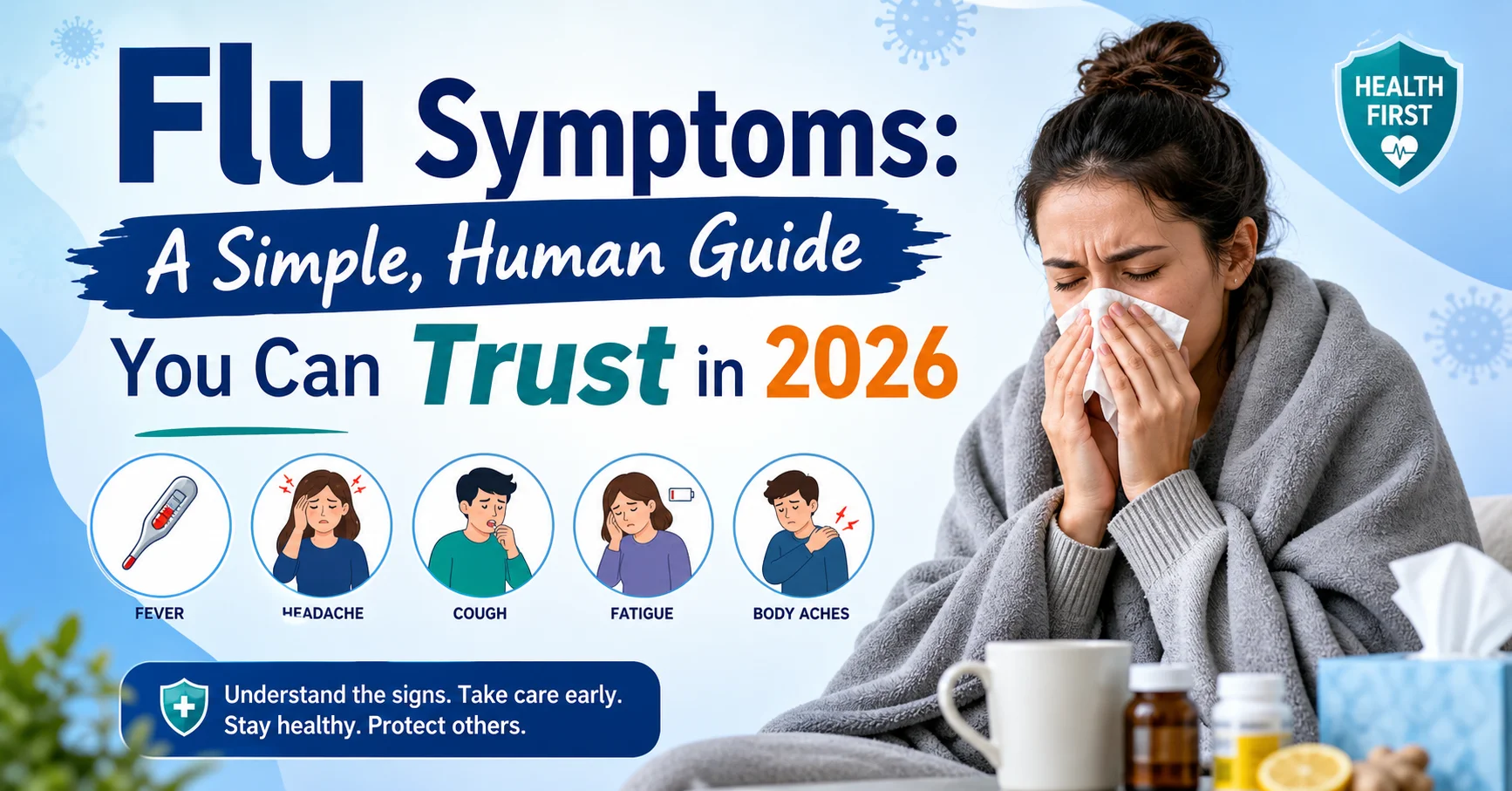
Common symptoms of flu include fever, body aches, and fatigue. These signs happen because your immune system is fighting the virus. Unlike a cold, the flu often makes you feel weak and tired right away.
Many people describe flu symptoms as “being hit by a truck.” That’s because the body reacts quickly and strongly. Even healthy people can feel very sick.
It’s important to know that flu symptoms can vary. Some people get mild illness, while others face serious complications. Children and older adults may show different signs than young adults.
Early Flu Symptoms You Should Not Ignore
Early flu symptoms are often easy to miss. They may start with mild discomfort before becoming more severe.
You might feel tired, slightly cold, or notice a sore throat. These early signals can appear before a fever starts. Some people also feel a headache or mild body pain.
One key difference is how fast symptoms grow. With the flu, you may feel fine in the morning and sick by afternoon. This sudden change is a strong sign.
Recognizing early signs can help you rest sooner and prevent worsening. It also reduces the risk of spreading the virus to family or coworkers.
Common Flu Symptoms in Adults
Adults usually experience strong and clear flu and influenza symptoms. These signs can last for several days.
Typical symptoms include:
- High fever
- Chills
- Muscle aches
- Headache
- Dry cough
- Extreme fatigue
Fatigue is often the most frustrating symptom. Even simple tasks like walking or eating can feel exhausting.
Many adults also experience chest discomfort due to coughing. Sleep may become difficult, which slows recovery.
Here’s a quick overview:
| Symptom | How It Feels | Duration |
|---|---|---|
| Fever | High temperature, sweating | 2–4 days |
| Body aches | Deep muscle pain | 3–5 days |
| Fatigue | Extreme tiredness | 1–2 weeks |
| Cough | Dry and persistent | 1–3 weeks |
Flu A Symptoms vs Other Types
Flu A symptoms are often more severe than other flu types. Influenza A is the most common and spreads quickly.
People with Flu A may have higher fever and stronger body aches. The illness can also last longer compared to mild flu types.
Other flu types, like Influenza B, can still cause serious illness. However, symptoms are often slightly less intense.
Knowing the type is helpful for doctors but not always necessary for treatment. Most care focuses on managing symptoms and supporting recovery.
Bird Flu Symptoms: What Makes Them Different?
Bird flu symptoms are less common but more serious. This type of flu comes from infected birds and can spread to humans in rare cases.
Symptoms may include:
- High fever
- Severe cough
- Breathing difficulty
- Eye infections
Bird flu can quickly become dangerous, especially if it affects the lungs. Unlike regular flu symptoms, breathing problems are more common.
If someone has been near poultry farms or sick birds, they should seek medical help immediately if symptoms appear.
Stomach Flu Symptoms Explained
Stomach flu symptoms are very different from respiratory flu. Despite the name, it is not caused by the influenza virus.
Instead, it is usually caused by viruses that affect the digestive system.
Common signs include:
- Nausea
- Vomiting
- Diarrhea
- Stomach cramps
Here’s a comparison to help:
| Feature | Regular Flu | Stomach Flu |
|---|---|---|
| Main Area Affected | Lungs & body | Stomach & intestines |
| Fever | Common | Sometimes mild |
| Vomiting | Rare | Very common |
| Body aches | Strong | Mild or none |
Understanding this difference helps avoid confusion when identifying a flu symptom.
How Flu Symptoms Differ From a Cold
Many people mix up flu symptoms with a cold. But there are clear differences.
Colds develop slowly and are usually mild. Flu symptoms appear suddenly and feel intense.
With a cold, you may have a runny nose and sneezing. With the flu, you feel weak, tired, and feverish.
A simple way to remember:
- Cold = mild and slow
- Flu = strong and fast
Knowing this difference helps you take the right steps early.
How Long Do Flu Symptoms Last?
Most flu symptoms last between 5 and 7 days. However, fatigue and cough can stay longer.
The worst symptoms usually happen in the first three days. After that, the body slowly recovers.
Some people feel weak even after the fever is gone. This is normal and part of the healing process.
Rest is very important during this time. Pushing yourself too early can delay recovery.
When Flu Symptoms Become Dangerous
Sometimes flu symptoms can turn serious. It’s important to watch for warning signs.
Seek medical help if you notice:
- Trouble breathing
- Chest pain
- Confusion
- High fever lasting more than 3 days
- Severe weakness
Children and older adults are at higher risk. Pregnant women should also be careful.
Ignoring severe symptoms can lead to complications like pneumonia.
Who Is Most at Risk From Flu Symptoms?
Certain groups face higher risk from flu symptoms flu complications.
These include:
- Elderly people
- Young children
- Pregnant women
- People with weak immune systems
Chronic conditions like diabetes or asthma can also make flu worse.
If you belong to a high-risk group, early care is very important.
How to Treat Flu Symptoms at Home
Most people recover from flu symptoms at home with simple care.
Here are helpful steps:
- Get plenty of rest
- Drink warm fluids
- Use fever medicine if needed
- Eat light and healthy food
Avoid going to work or school while sick. This helps prevent spreading the virus.
In my experience, hydration makes a big difference. Even small sips of water can help your body recover faster.
Preventing Flu Symptoms Before They Start
Prevention is always better than treatment.
Simple habits can reduce your risk:
- Wash hands often
- Avoid close contact with sick people
- Cover your mouth when coughing
- Get vaccinated
The flu vaccine is one of the best ways to protect yourself. It reduces both risk and severity.
Flu Symptoms in Children
Children often show different symptoms of flu compared to adults.
They may have:
- Higher fever
- Irritability
- Loss of appetite
- Vomiting
Kids may not explain how they feel. So, parents should watch behavior changes.
If a child becomes very sleepy or refuses to eat, it’s a sign to seek help.
FAQs About Flu Symptoms
1. How do I know if I have flu or just a cold?
Flu symptoms are stronger and appear suddenly. Colds are milder and develop slowly.
2. Can flu symptoms go away without treatment?
Yes, most people recover naturally within a week with rest and care.
3. Are stomach flu symptoms the same as regular flu?
No, stomach flu affects digestion, while regular flu affects the respiratory system.
4. What is the first sign of flu symptoms?
Fatigue and body aches are often the earliest signs.
5. When should I see a doctor?
If symptoms are severe or last longer than expected, seek medical help.
6. Can flu symptoms be prevented completely?
Not always, but vaccines and hygiene greatly reduce risk.
Conclusion: Take Flu Symptoms Seriously but Stay Calm
Flu symptoms can feel overwhelming, but most cases are manageable with proper care. The key is to recognize signs early and respond wisely.
Listen to your body. If you feel tired, rest. If symptoms worsen, seek help. Simple actions can make a big difference in recovery.
By understanding different types—from flu A symptoms to bird flu symptoms and stomach flu symptoms—you can stay informed and prepared.
Stay healthy, take precautions, and don’t ignore what your body is telling you.
