

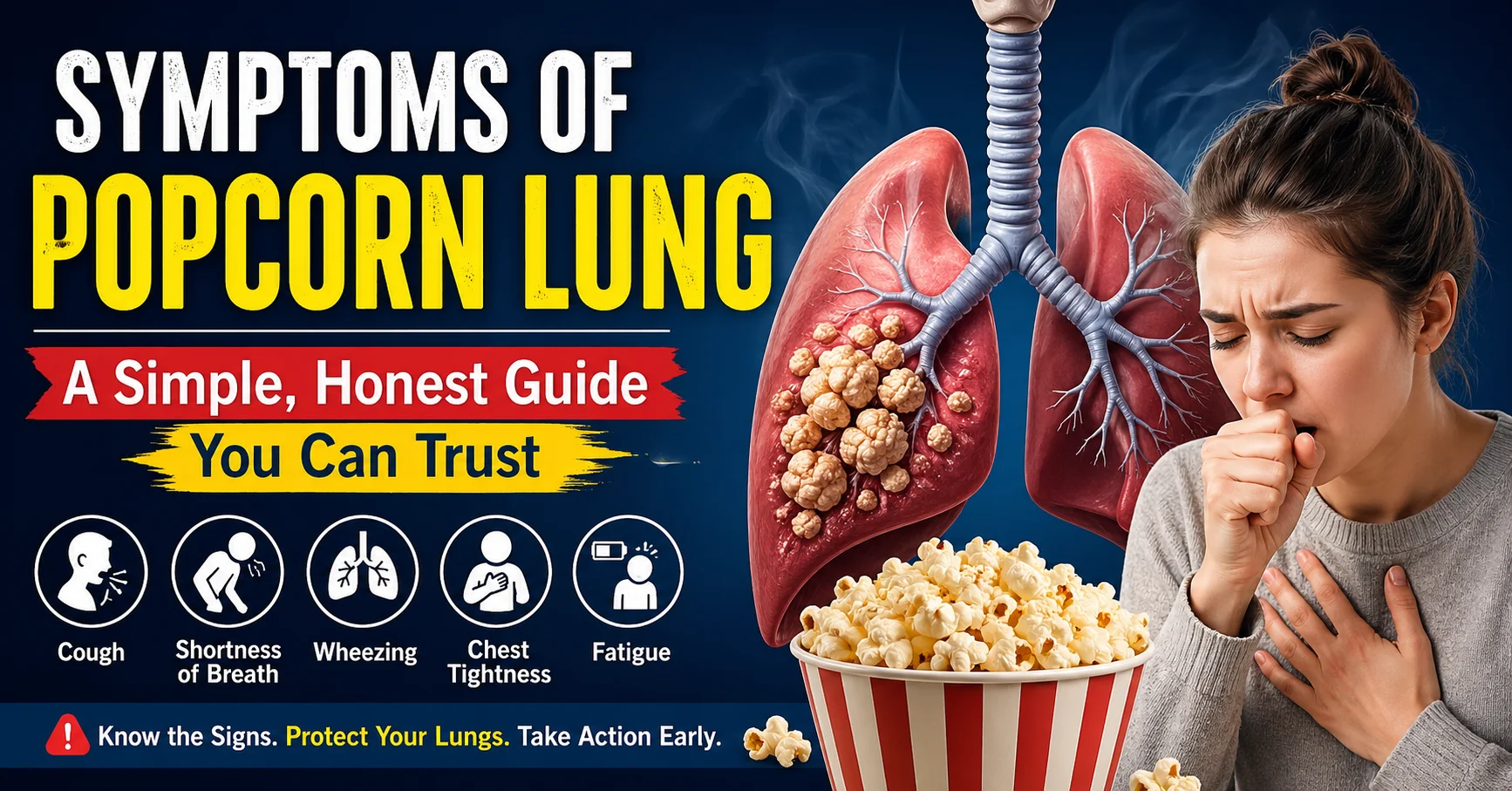
Breathing should feel easy. You should not have to think about every breath. But for people with symptoms of popcorn lung, even simple breathing can feel hard. This condition is real, serious, and often misunderstood. Many people only hear about it when it is linked to vaping or chemical exposure.
This guide will help you understand everything clearly. We will break down what popcorn lung is, what the symptoms feel like, and when to take action. The goal is simple: give you honest, easy-to-understand information you can trust.
What Is Popcorn Lung?
Popcorn lung is a condition that damages the small airways in your lungs. Its medical name is bronchiolitis obliterans. That sounds complex, but here is the simple version. The tiny tubes in your lungs become inflamed and scarred. This makes it harder for air to move in and out.
The name comes from workers in microwave popcorn factories. They were exposed to a chemical called diacetyl. Over time, many of them developed breathing problems. That is how the condition got its unusual name.
Today, people also talk about symptoms of popcorn lung vaping because some e-cigarettes once contained similar chemicals. Even though rules have changed, concerns still exist.
Why Understanding Symptoms Matters
Many lung conditions start slowly. You might ignore early signs. You may think it is just a cold or tiredness. That is why learning the symptoms of popcorn lung is important.
Early detection can make a big difference. While the damage cannot always be reversed, early care can slow it down. It can also help you breathe better and avoid complications.
If you know what to look for, you can act sooner. That gives you more control over your health.
Early Symptoms of Popcorn Lung
At first, the symptoms are easy to miss. They often feel mild and not very serious. Many people mistake them for common breathing problems.
Early signs include:
- A dry cough that does not go away
- Shortness of breath during activity
- Feeling tired more often
- Slight wheezing
These early symptoms of popcorn lungs may come and go. That makes them even harder to notice. You may feel fine one day and uncomfortable the next.
The key is consistency. If these symptoms last for weeks, do not ignore them.
Advanced Symptoms You Should Not Ignore
As the condition worsens, symptoms become stronger. Breathing becomes harder, even when resting. This stage can affect daily life.
Advanced symptoms include:
- Severe shortness of breath
- Loud wheezing sounds
- Chest tightness
- Frequent coughing fits
- Trouble doing simple tasks like walking
These what are symptoms of popcorn lung signs show that the airways are more damaged. At this stage, medical help is urgent.
Ignoring these symptoms can lead to serious breathing problems over time.
How Symptoms Feel in Real Life
It helps to understand what these symptoms feel like day-to-day. Many people describe it as trying to breathe through a narrow straw.
Walking up stairs may leave you breathless. Even talking for long periods can feel tiring. Some people wake up at night because they cannot breathe well.
The cough is often dry. It does not bring up mucus. That makes it different from many chest infections.
These real-life experiences show why recognizing symptoms of popcorn lung matters so much.
Causes Behind Popcorn Lung Symptoms
Understanding the cause helps you connect the symptoms. The main trigger is exposure to harmful chemicals.
Common causes include:
- Diacetyl exposure
- Vaping chemicals
- Industrial fumes
- Toxic gases
- Certain infections
When these irritants enter the lungs, they damage the airways. Over time, this leads to scarring. That scarring causes the breathing problems linked to symptoms of popcorn lungs.
Not everyone exposed will develop the condition. But long-term exposure increases the risk.
Popcorn Lung and Vaping: What You Should Know
Many people ask about symptoms of popcorn lung vaping. This is because some e-liquids once contained diacetyl. Even today, not all products are fully transparent.
Vaping may irritate the lungs. It can cause inflammation over time. While not every vaper develops popcorn lung, the risk is still discussed by experts.
If someone vapes regularly and develops a persistent cough or breathlessness, it should not be ignored. These may be early warning signs.
Reducing or stopping exposure is always a smart step for lung health.
How Symptoms Compare to Other Lung Conditions
It is easy to confuse popcorn lung with other breathing issues. Conditions like asthma or bronchitis can feel similar.
Here is a simple comparison:
| Condition | Main Symptom | Key Difference |
|---|---|---|
| Popcorn Lung | Shortness of breath | Caused by airway scarring |
| Asthma | Wheezing | Often triggered by allergies |
| Bronchitis | Wet cough | Produces mucus |
| COPD | Chronic breathlessness | Usually linked to smoking |
This table helps explain what are the symptoms of popcorn lung compared to other conditions.
Who Is at Risk?
Some people have a higher chance of developing this condition. Knowing your risk can help you stay alert.
Higher-risk groups include:
- Factory workers exposed to chemicals
- People who vape regularly
- Individuals exposed to toxic fumes
- Those with repeated lung infections
Even if you are not in these groups, it is still possible to develop symptoms. That is why awareness matters.
When Should You See a Doctor?
Timing matters when it comes to lung health. If symptoms last more than a few weeks, it is time to act.
See a doctor if you notice:
- A persistent dry cough
- Breathing difficulty during normal tasks
- Wheezing that does not go away
- Chest tightness
Early evaluation can help confirm if these are symptoms of popcorn lung or something else.
Doctors may use breathing tests or scans to check lung function.
How Doctors Diagnose Popcorn Lung
Diagnosis is not always simple. Doctors use a mix of tools to understand your condition.
Common tests include:
| Test Type | Purpose |
|---|---|
| Lung function test | Measures airflow |
| CT scan | Shows lung damage |
| Medical history | Checks exposure risks |
| Biopsy (rare) | Confirms airway damage |
These tests help confirm whether the symptoms of popcorn lungs are linked to this condition.
Can Popcorn Lung Be Treated?
There is no complete cure, but treatment can help manage symptoms. The goal is to improve breathing and slow damage.
Treatment options include:
- Medications to reduce inflammation
- Oxygen therapy in severe cases
- Avoiding harmful exposure
- Pulmonary rehabilitation
Early treatment can make a big difference. That is why recognizing what are symptoms of popcorn lung early is so important.
Daily Life with Popcorn Lung
Living with this condition requires adjustments. Small changes can improve comfort and breathing.
Helpful tips include:
- Avoid smoke and strong fumes
- Stay active with light exercise
- Use breathing techniques
- Follow medical advice closely
People often learn to manage their symptoms over time. Support from family and doctors also helps a lot.
Prevention Tips You Should Follow
Prevention is always better than treatment. Protecting your lungs can reduce the risk.
Simple steps include:
- Avoid vaping or limit exposure
- Use safety gear in risky workplaces
- Stay away from harmful chemicals
- Maintain good indoor air quality
These habits can help prevent the symptoms of popcorn lung from developing in the first place.
Real-Life Insight: Why Awareness Matters
Many people ignore early symptoms. They think it is just a minor issue. But small signs can lead to bigger problems later.
For example, someone may start with a mild cough. Over months, it becomes harder to breathe. By the time they seek help, the damage may already be advanced.
This shows why listening to your body matters. Even small changes in breathing should not be ignored.
FAQs About Symptoms of Popcorn Lung
1. What are the first symptoms of popcorn lung?
The earliest signs include a dry cough and mild shortness of breath. These symptoms may seem small at first.
2. Can vaping cause popcorn lung symptoms?
Yes, some cases are linked to vaping. That is why symptoms of popcorn lung vaping are widely discussed.
3. Is popcorn lung reversible?
No, the damage is usually permanent. However, treatment can help manage symptoms.
4. How long do symptoms take to appear?
Symptoms may take weeks, months, or even years to develop after exposure.
5. Is popcorn lung common?
It is rare, but the risk increases with chemical exposure or unsafe vaping habits.
6. Can children get popcorn lung?
Yes, but it is less common. Exposure to harmful chemicals is the main risk factor.
Conclusion: Listen to Your Lungs
Your lungs are vital. They work every second to keep you alive. When something feels wrong, it deserves attention.
The symptoms of popcorn lung may start small, but they can grow over time. A simple cough or slight breathlessness might not seem serious. But ignoring it can lead to bigger problems.
Stay aware. Take symptoms seriously. And do not hesitate to seek medical advice when needed.
If this guide helped you, consider sharing it with others. Awareness can protect lives.
