

Introduction
Stomach problems can be confusing and frustrating. Many people feel pain, bloating, or nausea but don’t know the cause. One common reason behind these issues is a bacteria called H. pylori. Understanding the symptoms of H. pylori can help you catch the problem early and get the right care.
This guide is written in a simple and friendly way so anyone can understand it. Whether you are worried about your health or helping a loved one, this article will walk you through everything step by step. We will talk about real symptoms, causes, and what to do next.
Many people live with this infection without knowing it. That’s why learning the symptoms of H. pylori infection is so important. The earlier you notice the signs, the easier it is to treat.
What Is H. Pylori?
H. pylori is a type of bacteria that lives in the stomach lining. It can damage the stomach and cause irritation over time. Many people get this infection during childhood, but symptoms may not appear until later.
This bacteria spreads through contaminated food, water, or close contact. Poor hygiene and crowded living conditions increase the risk. Once inside the body, it can stay for years if not treated.
The tricky part is that not everyone feels sick right away. Some people only notice mild discomfort, while others develop serious problems like ulcers. That’s why knowing the signs and symptoms of H. pylori bacteria is very important.
How Common Is H. Pylori?
H. pylori infection is very common worldwide. In some countries, more than half of the population may have it. Many people don’t even know they are infected because symptoms can be mild or hidden.
In developing areas, the infection rate is higher due to sanitation issues. In cities and cleaner environments, the risk is lower but still present. Anyone can get it, regardless of age or gender.
The key point is this: just because it is common does not mean it should be ignored. Recognizing the what symptoms of H. pylori can protect your long-term health.
Early Symptoms of H. Pylori
In the beginning, the infection may not cause strong symptoms. But there are small signs your body may give you. These early warning signals are easy to miss.
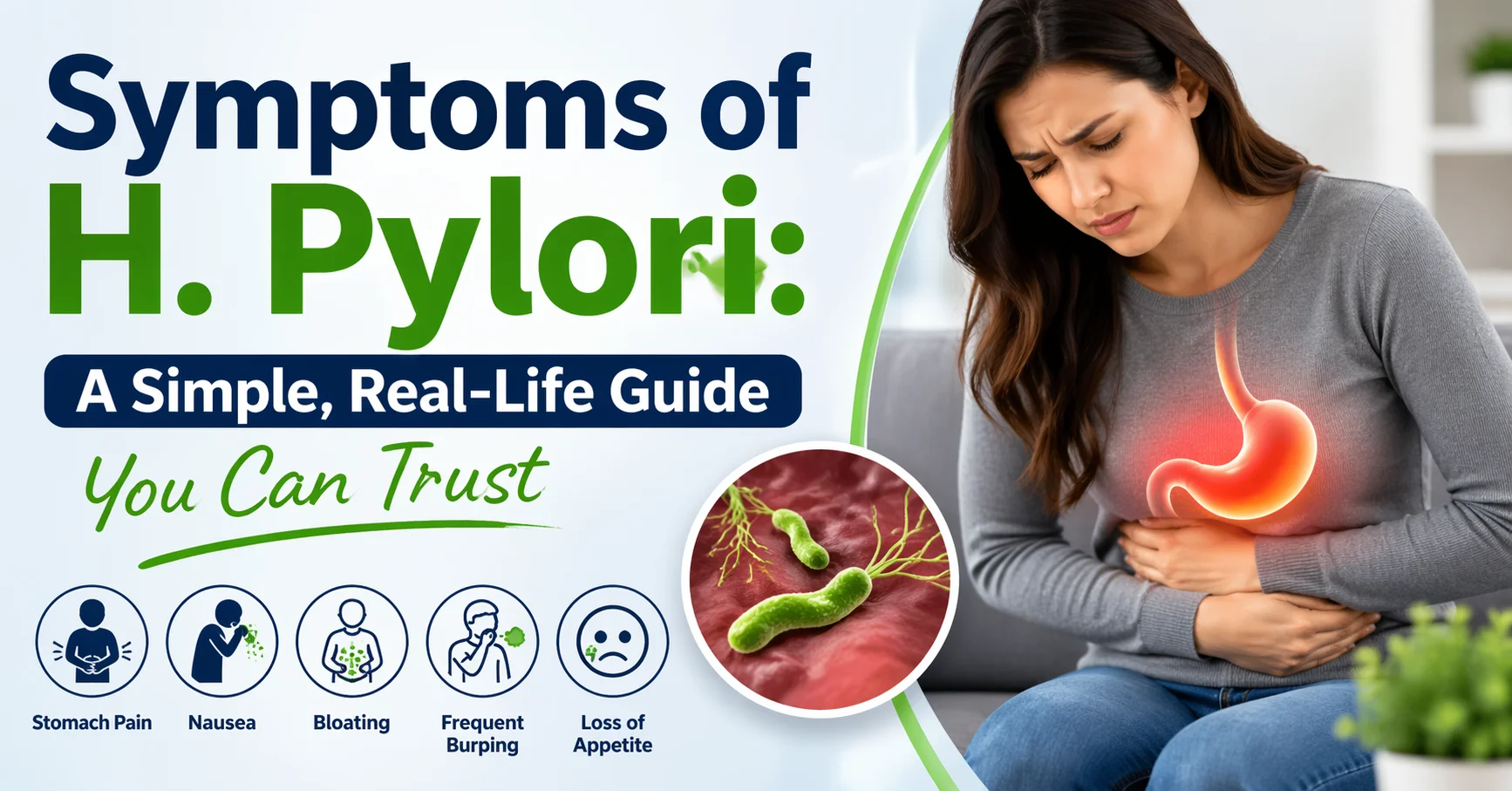
Common early symptoms include:
- Mild stomach discomfort
- Feeling full quickly
- Slight nausea
- Frequent burping
- Loss of appetite
These symptoms may come and go. Many people think it is just indigestion. However, if these problems keep returning, it could be a sign of infection.
Pay attention to your body. Even small changes can mean something important. Recognizing early symptoms of H. pylori can prevent bigger problems later.
Common Symptoms of H. Pylori Infection
As the infection grows, symptoms become more noticeable. This is when most people start seeking help.
Here are the most common symptoms:
| Symptom | Description |
|---|---|
| Stomach pain | Burning or aching, especially when hungry |
| Bloating | Feeling tight or swollen in the stomach |
| Nausea | Feeling like you may vomit |
| Frequent burping | Releasing gas often |
| Loss of appetite | Not feeling hungry |
These symptoms can affect daily life. Eating may become uncomfortable, and energy levels may drop.
If you notice several of these signs together, it is important to take them seriously. These are classic symptoms of H. pylori infection that should not be ignored.
Severe Symptoms You Should Not Ignore
Sometimes, the infection becomes serious. This can lead to ulcers or bleeding in the stomach.
Watch out for these warning signs:
| Severe Symptom | What It Means |
|---|---|
| Sharp stomach pain | Possible ulcer |
| Black stools | Internal bleeding |
| Vomiting blood | Emergency situation |
| Sudden weight loss | Ongoing damage |
| Extreme fatigue | Blood loss or poor nutrition |
These symptoms need urgent medical care. Do not wait or try home remedies if you notice these signs.
Understanding severe signs and symptoms of H. pylori bacteria can help you act quickly and avoid complications.
Symptoms of H. Pylori in Females
Women may experience slightly different symptoms due to hormonal changes and body structure. The symptoms of H. pylori in females can sometimes overlap with other conditions.
Common symptoms in females include:
- Frequent bloating
- Hormonal imbalance feeling
- Nausea during empty stomach
- Fatigue
- Iron deficiency (low iron levels)
Women may also mistake these symptoms for menstrual issues or stress. This can delay diagnosis.
If symptoms continue for weeks, it is important to check with a doctor. Recognizing symptoms of H. pylori in females early can prevent long-term health issues.
Causes and Risk Factors
H. pylori spreads easily, especially in places with poor hygiene. Understanding the causes can help you avoid infection.
Here are the main risk factors:
| Risk Factor | Explanation |
|---|---|
| Contaminated water | Drinking unsafe water |
| Poor hygiene | Not washing hands properly |
| Crowded living | Easy spread between people |
| Sharing utensils | Passing bacteria through saliva |
| Weakened immunity | Body cannot fight infection |
Simple habits like washing hands and eating clean food can reduce your risk.
Knowing the cause helps you understand what symptoms of H. pylori may appear and why.
How H. Pylori Affects Your Stomach
H. pylori damages the stomach lining. This makes it easier for acid to cause harm. Over time, this can lead to inflammation or ulcers.
The stomach normally protects itself with mucus. But this bacteria weakens that protection. As a result, you may feel pain or burning.
This is why many people with symptoms of H. pylori infection feel worse when their stomach is empty. Acid directly irritates the damaged lining.
Understanding this process helps you connect your symptoms with the root cause.
When Should You See a Doctor?
Not all stomach pain needs a doctor. But some signs should not be ignored.
You should seek medical help if:
- Symptoms last more than two weeks
- Pain becomes severe
- You notice blood in vomit or stool
- You feel very weak or tired
- You lose weight without trying
Doctors can run simple tests to confirm the infection. Early diagnosis makes treatment easier and faster.
If you suspect symptoms of H. pylori, it is always better to check early.
Diagnosis of H. Pylori
Doctors use different methods to detect H. pylori. These tests are simple and safe.
Common tests include:
| Test Type | How It Works |
|---|---|
| Breath test | Measures bacteria activity |
| Blood test | Checks for antibodies |
| Stool test | Detects bacteria in stool |
| Endoscopy | Looks inside the stomach |
The breath test is one of the most common methods. It is quick and non-invasive.
Getting tested is the best way to confirm symptoms of H. pylori infection.
Treatment Options
H. pylori is treatable with proper medication. Doctors usually prescribe a combination of antibiotics and acid-reducing drugs.
Treatment usually lasts 10–14 days. It is important to complete the full course.
Common treatment includes:
- Antibiotics to kill bacteria
- Proton pump inhibitors (reduce acid)
- Antacids for relief
Most people recover fully with proper treatment. Symptoms improve within days.
Ignoring treatment can make the infection worse. So act quickly if you notice symptoms of H. pylori.
Diet Tips for Faster Recovery
Food plays a big role in healing your stomach. Eating the right foods can reduce discomfort.
Helpful foods:
- Yogurt (good bacteria)
- Fruits like bananas and apples
- Vegetables like broccoli
- Whole grains
Foods to avoid:
- Spicy food
- Fried items
- Coffee
- Alcohol
A healthy diet supports recovery and reduces symptoms. It also helps prevent reinfection.
Can H. Pylori Be Prevented?
Yes, you can lower your risk with simple habits.
Prevention tips:
- Wash hands regularly
- Drink clean water
- Eat properly cooked food
- Avoid sharing utensils
- Maintain good hygiene
These steps are simple but powerful. They protect you and your family from infection.
Prevention is always better than dealing with symptoms of H. pylori infection later.
Real-Life Insight
Many people ignore stomach discomfort for months. One common story is someone thinking it’s just gas or stress. But after testing, they discover H. pylori.
After treatment, they feel a huge difference. Energy returns, pain disappears, and digestion improves.
This shows how important it is to listen to your body. Even small symptoms can have a bigger cause.
FAQs
1. What are the first symptoms of H. pylori?
Early symptoms include mild stomach pain, bloating, and nausea. These signs are often ignored but should not be.
2. Can H. pylori go away on its own?
No, it usually needs treatment. Without medicine, the infection can stay for years.
3. Is H. pylori dangerous?
It can be if untreated. It may lead to ulcers or stomach problems over time.
4. How long does treatment take?
Most treatments last 10–14 days. Symptoms improve quickly after starting medication.
5. Are symptoms different in females?
Yes, symptoms of H. pylori in females may include fatigue and iron deficiency.
6. Can diet help with recovery?
Yes, eating healthy foods can reduce symptoms and support healing.
Conclusion
Understanding the symptoms of H. pylori is the first step toward better health. This infection is common but often hidden. Many people live with discomfort without knowing the real cause.
The good news is that it is treatable. With the right care, you can recover fully and feel better quickly. Pay attention to your body, especially if symptoms keep coming back.
If you notice any warning signs, don’t ignore them. Take action early, get tested, and follow proper treatment.
Your health matters. The sooner you act, the sooner you heal.
